
Plumage Guide
Seasonal Plumage Checklist: What to Look For in Each British Season
September 17, 2026
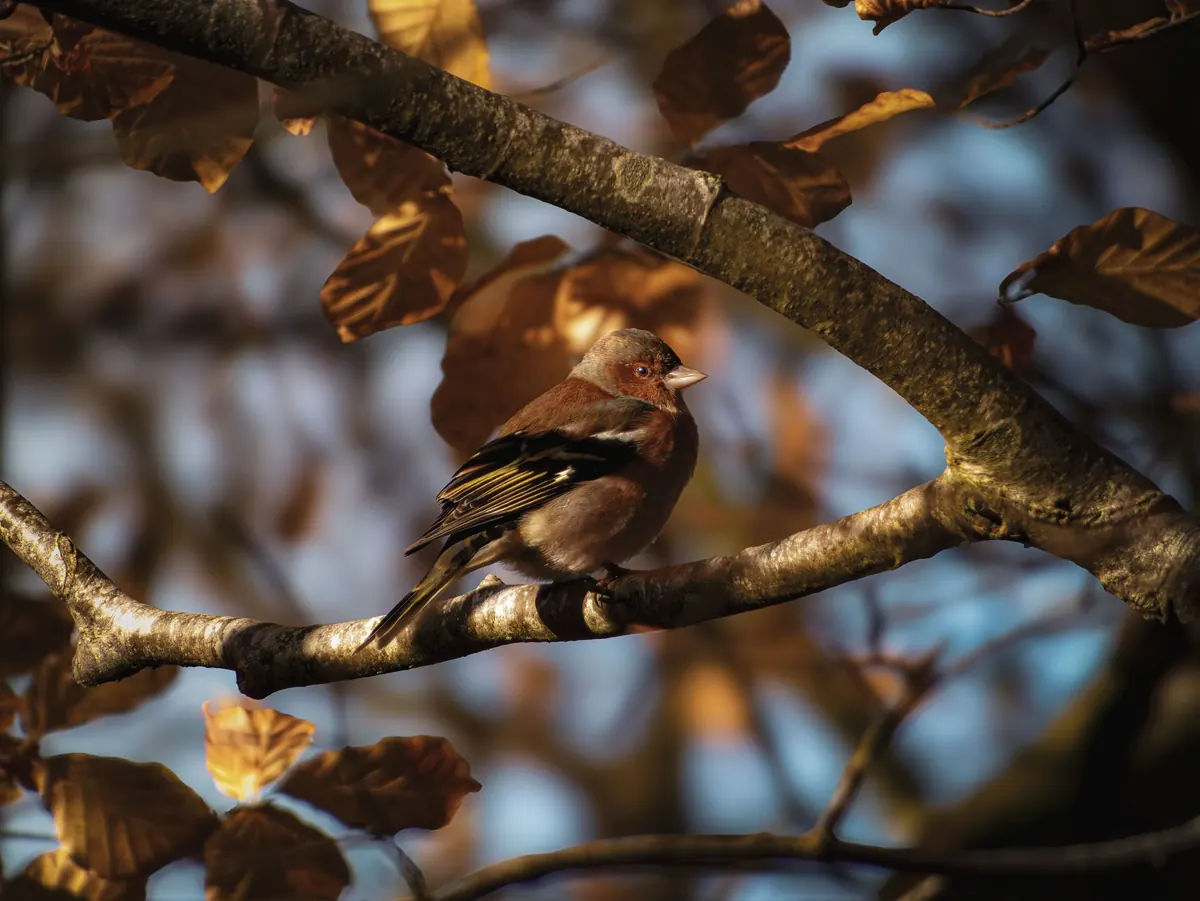
Plumage never sits still. The Black-headed Gull loafing on your local park lake in January, white-headed and dull-legged, is the same bird that will be wearing a chocolate-brown hood by April. A Starling's bill shifts from dark to bright yellow as the breeding season approaches. These changes happen slowly enough that most of us notice them late, or not at all.
A simple seasonal checklist keeps you alert to them, and it pays off twice over. You read familiar birds more accurately, and you spot the odd one out in a flock far sooner.
Spring: Colour Comes In
Through March and April, much of what changes is contrast. Many resident birds complete a partial pre-breeding moult in late winter, replacing head and body feathers while leaving the wings alone. Head patterns sharpen, bare parts brighten, and birds suddenly spend their time in the open, singing and displaying.
Great Crested Grebes grow their orange and black tippets and dark ear tufts. Cormorants develop a white thigh patch and a scruff of pale plumes on the head. Male Starlings gleam with iridescent green and purple against a yellow bill. Use a checklist like this one:
- Head pattern: has a hood filled in, or has a dark throat started to look less smoky?
- Bare parts: bill, legs, eye and orbital ring — often the fastest-changing features of all.
- Feather edges: fresh feathers have crisp tips; winter-worn ones look thin and bleached.
- Display features: grebe tufts, egret plumes, the ruffs of male waders, the pale shoulder patches of displaying ducks.
- Posture and position: a singing male on a high perch is showing you his plumage from the angle that matters most.
Summer: Wear, Moult and Juveniles
Sun, wind and constant preening grind down feather tips. By June, a bird that looked smart in April can look bleached and brown-edged; dark upperparts take on a rusty tinge. Pale fringes on the coverts and scapulars wear away, which usually makes a bird look darker and more uniform rather than lighter.
Then the post-breeding moult begins, running from late June into September for many songbirds. Watch for ragged wings, missing tail feathers and short gaps in the flight feathers. Swans and geese drop their flight feathers together and are briefly flightless, while drake ducks slip into a female-like eclipse plumage and skulk in the reeds until autumn.
Juveniles arrive in their first set of feathers, and they are genuinely confusing. A young Robin is speckled and spotty with no red at all. A juvenile Swallow has stubby tail streamers and a duller throat. Young Blue Tits show pale yellow cheeks. Most of these birds moult part of that plumage within weeks, so the juvenile you puzzle over in July may look quite different by September.
Autumn: Fresh Feathers and the Confusion Season
Autumn is the busiest season for British birding and the most complicated for plumage. Freshly moulted adults look sharp; first-winter birds are equally fresh but patterned differently. Being able to separate the two is a skill worth building.
Look for pale fringes on the upperparts, which create a scalloped or scaled effect, and for contrasting wing panels. Chaffinches and Bramblings show bright wing bars against darker flight feathers. Redwings and Fieldfares arriving from Scandinavia wear crisp, neat plumage with bold facial stripes, so a scruffy individual is worth a second look.
Note the date as carefully as the bird. In plumage, timing is half the feature.
The key rule for autumn: fresh plumage tells you a bird has moulted recently, not how old it is. Ageing depends on pattern detail, wing shape and how much of the moult has been completed. Gulls are the classic case. A first-winter Herring Gull with brown mottled coverts looks nothing like the grey-backed adult standing beside it, and that difference rewards study rather than a shrug.
Winter: Muted, but Not Plain
Winter plumage is not the poor relation. Feathers are dense, complete and unbeaten by the sun, so colours are often at their truest. This is the season for waterfowl, divers and grebes, where structure — head shape, bill shape, neck length, back pattern — does most of the identification work and colour only helps at the margins.
Light matters more than most people realise. A low winter sun can turn a grey-brown duck into a warm chestnut one, and the same flock viewed at midday looks like a different flock. By late January, the wheel turns again: Black-headed Gulls begin to show dark smudges on the head, Starling bills start to yellow, and the first returning birds look brighter than they have for months.
Bare Parts: Details That Change Fast
Bills, legs, eyes and orbital rings shift with age and hormones, sometimes faster than feathers. Learn a few local examples and you have a year-round reference. A Starling's bill is dark in winter, yellow in spring. Black-headed Gull legs are dull in winter and deep red in summer. Male Blackbirds carry a bright orange-yellow bill in the breeding season and a duskier one outside it.
For gulls and waders, bare parts can be decisive: leg colour, bill shape and the colour of the eye and the ring around it. Photograph birds in good light where you can, and comparisons become much easier.
Making the Checklist Work for You
You do not need specialist kit, just a habit of looking twice. Try this routine:
- Pick three species you see weekly — perhaps a gull, a duck and a common garden bird.
- Go out once a fortnight and note the date, place, light and weather.
- Describe feathers and bare parts separately, and note whether the plumage looks fresh, worn or actively moulting.
- Compare like with like: same species, same time of day, same viewing angle.
- Keep your notes and read last year's before the season comes round again.
- When a bird looks odd, rule out moult and wear before reaching for something rarer.
A notebook, binoculars and patience will take you a long way. Give nesting birds space in spring, and leave any bird that is struggling in hard weather well alone. Watch the same few birds closely through a full year and the calendar will start doing some of the identification work for you.
Photo: Jimmyk photos / Pexels
Related posts
More stories you’ll love reading