
Plumage Guide
Juvenile vs Adult Plumage: How to Tell Young Birds from Their Parents
September 19, 2026
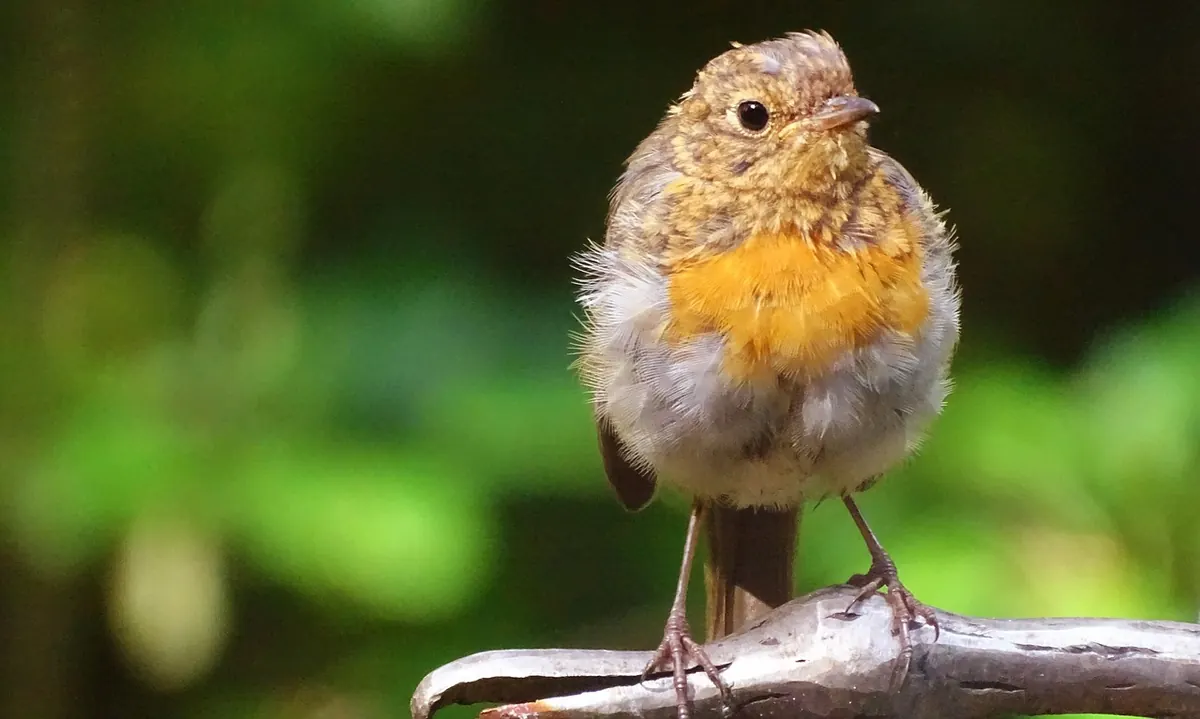
A speckled brown bird shuffles along the patio, wings quivering, following a glossy black male. Nothing about the smaller bird says "Blackbird" until the male feeds it. Juvenile birds so often look nothing like their parents that they send even seasoned birdwatchers back to the guidebook.
That difference is no accident. A young bird's first feathers are built for camouflage and rapid growth, and they are replaced by adult plumage over months or years, depending on the species. Once you know which features change, and roughly when, a puzzling bird becomes a satisfying identification.
Juvenile, immature, adult: what the labels mean
Birders use these words precisely, and mixing them up leads to identification slips.
- Juvenile — a bird's first true set of feathers, grown in or beside the nest and worn for a few weeks to a few months after fledging. Juvenile plumage is often duller, softer and more streaked or mottled than adult plumage. In small songbirds it may last only until the late-summer moult; in large gulls, swans and raptors it is just the first of several immature plumages.
- Immature — a catch-all term for any bird that has moulted out of juvenile plumage but has not yet reached full adult appearance. You will also see "first-winter" and "first-summer" used for the same birds at different points in the year. A first-winter Blackbird, for example, is no longer in juvenile plumage, but it may still have brown wing feathers and a dull bill.
- Adult — a bird in fully mature plumage. In many small songbirds this arrives after the first autumn moult, though some first-winter birds stay subtly different from adults. In large gulls, swans and some raptors it can take several years.
The gaps matter. A Robin that has grown a few red feathers into its breast in August is immature, not juvenile; by October it may look almost adult. A Herring Gull with mottled brown wings in its second winter is immature, not juvenile, even though it still looks nothing like its parents. Precise language keeps you honest.
Why young birds look so different
Juvenile feathers are grown quickly, in a body putting energy into growth rather than display. They tend to be looser in texture, browner and less boldly patterned, which helps a vulnerable young bird stay hidden while it learns to feed. Many juveniles also show fleshy, pale yellow or white gape flanges at the corners of the mouth — useful for begging, and a handy clue for us at close range.
Bare parts change too. Bills, eyes and legs often start dull and dark, then brighten as the bird matures. Behaviour is a giveaway as well: a young bird may quiver its wings, chase an adult and beg loudly, which no adult would do outside a territorial scrap. In some species, such as tits and finches, the difference between a juvenile and an adult is mostly a matter of saturation: the young bird looks like a faded version of its parent, with softer edges and less contrast.
Six features to check first
- Gape and mouth — pale flanges suggest a bird in its first weeks or months.
- Bill colour — a dark bill on a Blackbird or Starling often means young; adult males show orange or yellow.
- Eye and eye-ring — juvenile eyes are often dark and dull where adults have brighter irises or rings.
- Head pattern — the face, cap and bib are usually the last things to sharpen up. A washed-out Great Tit is often simply young.
- Tail and wings — shorter tails, rounder wings and browner flight feathers point to immaturity, especially in Swallows, where adult streamers are long and unmistakable.
- Moult limits — look for a mix of worn, brownish juvenile feathers and newer, greyer ones in the wing. A clear line between generations of feathers is strong evidence of a young bird.
Use several features together. Any single one can mislead you. A bird with a pale gape but fully adult wing feathers may simply be a late-breeding adult, and a worn adult in late summer can look surprisingly juvenile.
Common UK birds, side by side
Garden songbirds
A juvenile Robin is a plain, mottled brown bird with no red at all, easily mistaken for something else entirely. Watch for the gape, the speckled breast and the habit of following an adult. A juvenile Blackbird is brown with a streaked chest and a dark bill; young males gain black feathers and an orange bill over their first autumn and winter.
Juvenile Blue Tits and Great Tits look like faded photocopies of their parents: the yellow is greener, the white cheeks yellowish, the black markings softer. Young Goldfinches have no red face at all, and their wing bars are duller. Juvenile Chaffinches lack the grey-blue cap and pinkish breast of adult males, appearing brown and streaky instead. Juvenile Starlings are grey-brown with a pale throat and dark bill, a world away from the spangled, yellow-billed adults of spring.
Young House Sparrows can be told from adults by their paler, fluffier plumage, a yellowish gape and a less distinct grey crown. Juvenile Dunnocks are finer-streaked and more washed-out than adults, while young Greenfinches are duller green with streaked underparts and no bright yellow wing flash until their first moult.
Larger species with long moults
Size brings patience. Young Woodpigeons have no white neck patch and look slightly scruffier overall. Herring Gulls spend several years in mottled brown immaturity before reaching the clean grey and white of adulthood. Juvenile Cormorants are noticeably pale underneath, and young Rooks and Carrion Crows show dull, brownish plumage with a pink gape, a less glossy finish and, in Rooks, a partially feathered face that only becomes fully bare in adults.
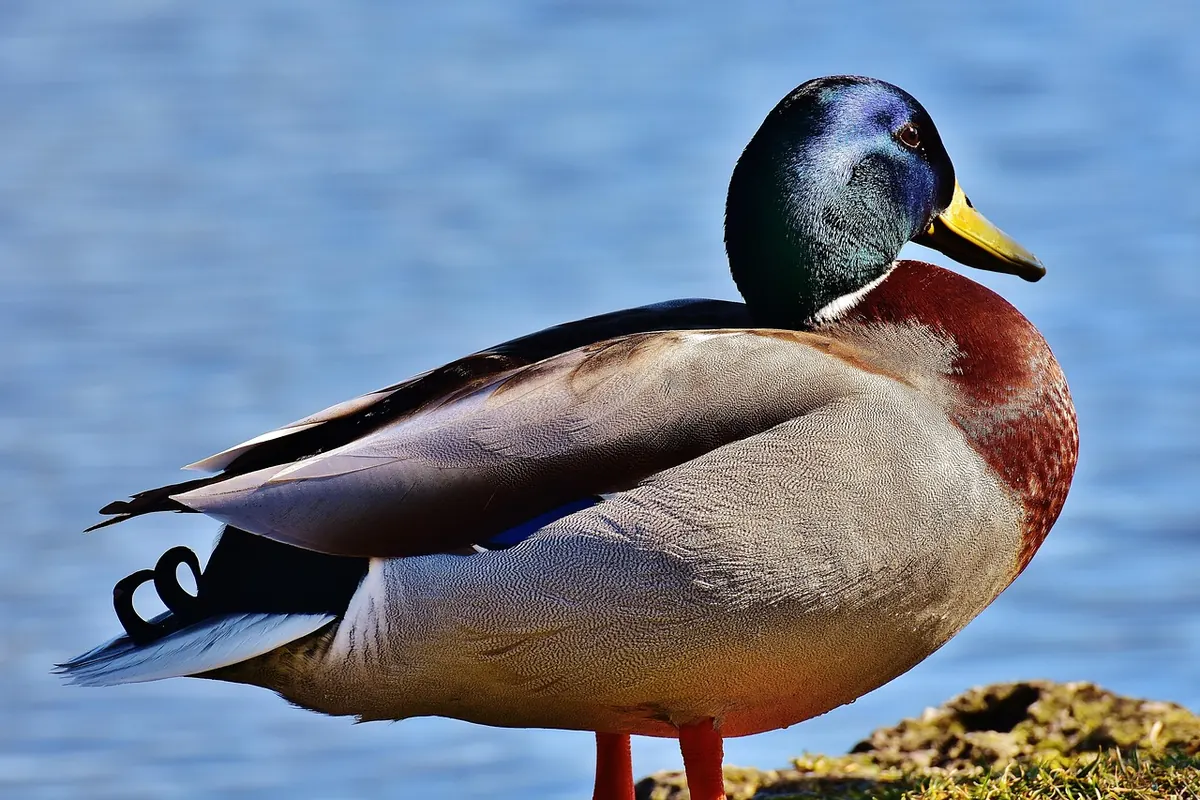
Young Mute Swans are grey-brown cygnets, then dusky immatures with a dull bill; only after a year or more do they become the white adults with orange bills and black knobs that we know. Juvenile Mallards are mottled brown and look much like adult females, while young drakes only acquire the green head, chestnut breast and grey body after their first autumn. Juvenile Moorhens have dull brown bodies and no red frontal shield, and young Grey Herons lack the black crest plumes and clean white crown of adults, looking browner and woollier instead.
Raptors and owls
Many birds of prey take longer to mature than garden birds, and their young can be genuinely difficult. Juvenile Kestrels resemble adult females, with brown backs, barred tails and streaked breasts; young males gain the grey head and tail only after their first moult. Juvenile Tawny Owls are fluffy and grey-brown, often with down still visible, and they do not develop the full adult facial disk and rich brown patterning until later in their first year. In general, a raptor with a pale or greyish eye, soft plumage and no sharp adult markings is likely to be young.
A simple calendar of change
Timing is one of the most useful clues, because plumage changes follow a rough annual rhythm.
- Late spring and summer — newly fledged juveniles appear. Look for gape flanges, short tails, fluffy feathers and begging behaviour.
- Late summer and autumn — many songbirds undergo a post-juvenile moult. They emerge as first-winter birds, often similar to adults but with a mix of old juvenile flight feathers and newer body feathers.
Related posts
More stories you’ll love reading