
Birdwatching
How to Identify British Garden Birds by Their Plumage: A Beginner's Guide
September 12, 2026
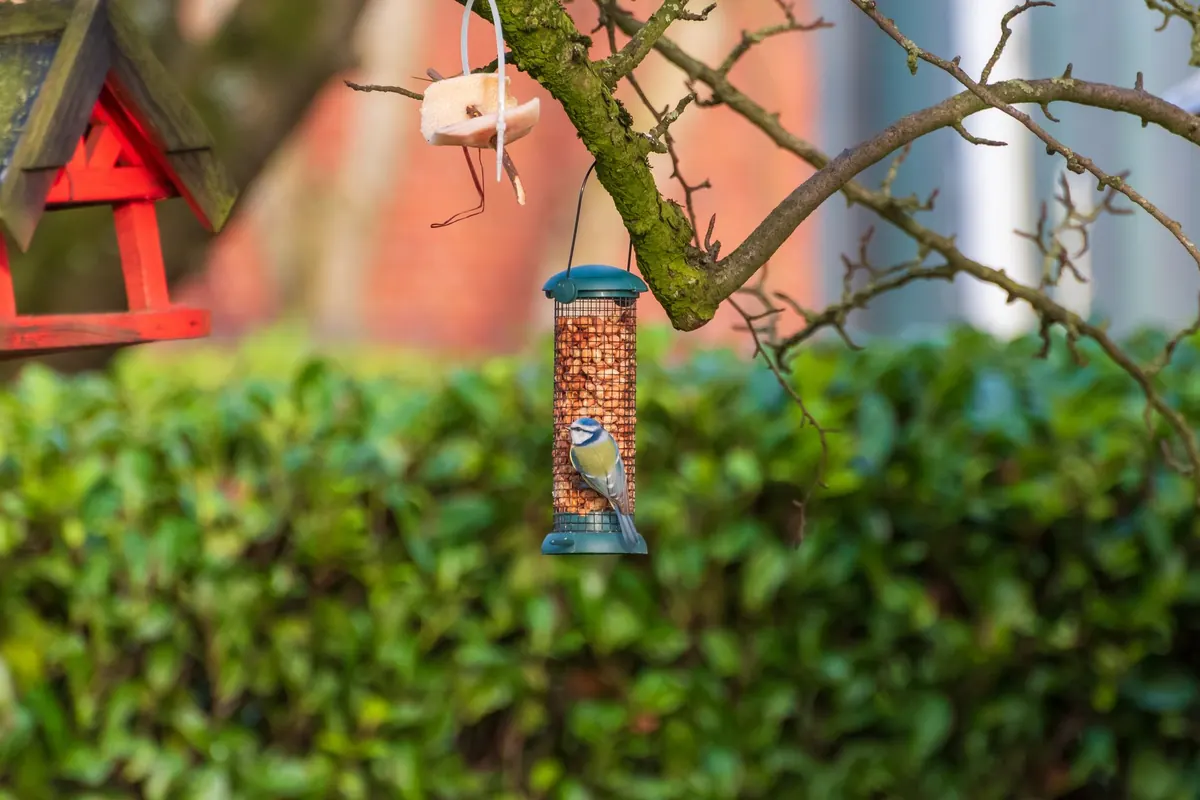
A blue tit on the feeder, a dunnock under the hedge, a starling on the lawn. Most garden birds can be named in seconds once you know which details matter. Plumage is the quickest route to a confident identification — provided you read it in the right order. Beginners tend to hunt for colour first. Experienced birdwatchers start with pattern, shape and contrast, then use colour to confirm what they already suspect. Swap those two steps and identification stops being guesswork.
Read the whole bird before you zoom in
Before you study a single feather, take in the silhouette. A bird's size and posture narrow the options faster than any field mark. Judge size against something familiar: smaller than a house sparrow, about the same, or closer to a blackbird. Then watch how it feeds. Tits cling and hang upside down; sparrows and finches perch upright; dunnocks shuffle along the ground with a nervous, creeping walk, flicking their wings.
Bill shape is next. Short and conical means a seed-eater — finch, sparrow, greenfinch. Fine and pointed means insects — robin, dunnock, wren. Once you have size, posture and bill, you are usually down to two or three candidates, and plumage has to settle the argument.
The four markings that do most of the work
When you do look at the feathers, look in a fixed order. These four areas carry almost all the useful information:
- Head and face. Cap colour, eye stripe, cheek patches and any bib or collar. A coal tit's white nape patch and a great tit's black belly stripe separate two birds that often share a feeder.
- Wings. Look for bars, patches and pale edges. The white wing bar and bold white outer tail feathers of a chaffinch show on both the bright male and the much plainer female.
- Underparts. Plain, spotted or streaked? A female blackbird is brown with a lightly streaked breast; a song thrush is warmer brown with clear arrow-shaped spots.
- Tail and rump. White outer tail feathers, a pale rump or a dark tail tip are often the only things visible as a bird flies away.
Note two or three of these and you rarely need more. Trying to memorise everything at once is how beginners end up unsure of a bird they actually saw perfectly well.
Colour fades, contrast does not
Colour is the least reliable field mark, especially in a British garden in February. Flat grey light dulls everything; low sun turns a backlit robin into a black shape with a bright halo. Wet feathers clump and darken. Iridescence — the green and purple sheen on a starling — depends entirely on the angle you are viewing from.
So ask comparative questions instead of absolute ones. Is the head darker than the back, or paler? Are the cheeks white or grey? Does the breast look plain against a streaked flank? Contrast survives bad light, and it is what your eye actually uses to sort birds at a glance. Colour confirms; contrast decides.
Grubby feathers are worth remembering too. A blue tit that has been squeezing through sooty crevices can look almost grey, and a magpie fresh from a bath loses its sharp edges.
Why your regulars look different in a different month
Feathers wear out. Most garden birds moult once a year, usually in late summer after breeding, and look scruffy and secretive for a few weeks — robins in July can seem almost unrecognisable, thin, brown and quiet. A second, partial moult in spring refreshes the head and body before the breeding season.
Better still, many species change colour without moulting at all. Worn feather tips alter the overall tone, and hormone changes shift bare-part colours: a male blackbird's bill is a duller orange in winter and a vivid orange-yellow by spring, and a starling's bill goes from dark to bright yellow as the breeding season approaches.
Young birds are the other seasonal trap. Juveniles appear from late spring onwards in loose, dull, often spotty plumage: a juvenile robin is a mottled brown bird with no red breast at all, and a juvenile starling is grey-brown with a dark bill and none of the winter spangling. Learn to expect them and you will stop misidentifying your own garden residents.
Confusion pairs worth learning properly
Three pairs cause most of the frustration in British gardens.
Dunnock or house sparrow?
Dunnocks are slim and fine-billed, with a blue-grey head and breast, a brown streaked back and pinkish legs. Female house sparrows are chunkier and browner, with a thicker conical bill and a pale buff stripe behind the eye. The bill shape alone usually settles it.
Coal tit or great tit?
Coal tits have a black head with a white cheek and a distinctive white patch on the nape, plus a soft grey back. Great tits are larger, with a glossy black cap, bright white cheeks and a black stripe running down the belly.
Juvenile robin or dunnock?
Both are brown and ground-feeding. Look at the bill and legs: the robin's bill is finer and darker, its legs brownish, and its breast mottled rather than neatly streaked. If it follows you around the border, it is almost certainly a robin.
A simple way to practise this week
Pick one feeder or one patch of lawn and watch it for ten minutes a day. Work through the same routine every time:
- Note size, posture and bill before anything else.
- Record two markings — head pattern and wing, usually — in words, not colours.
- Watch one bird leave: rump and tail edges often confirm the identification.
- Check your notes against a field guide or an identification app afterwards, not during.
Keep a notebook by the window. Write down what you saw in the order you saw it, and revisit the same entries a week later. Patterns emerge quickly — the bird you could not place in October will be obvious by December, and that recognition is the whole pleasure of it.
Photo: Sergej ***** / Pexels
Related posts
More stories you’ll love reading